How Job Posting Schema Boosted Our Traffic by 11% in a Cooling Economy
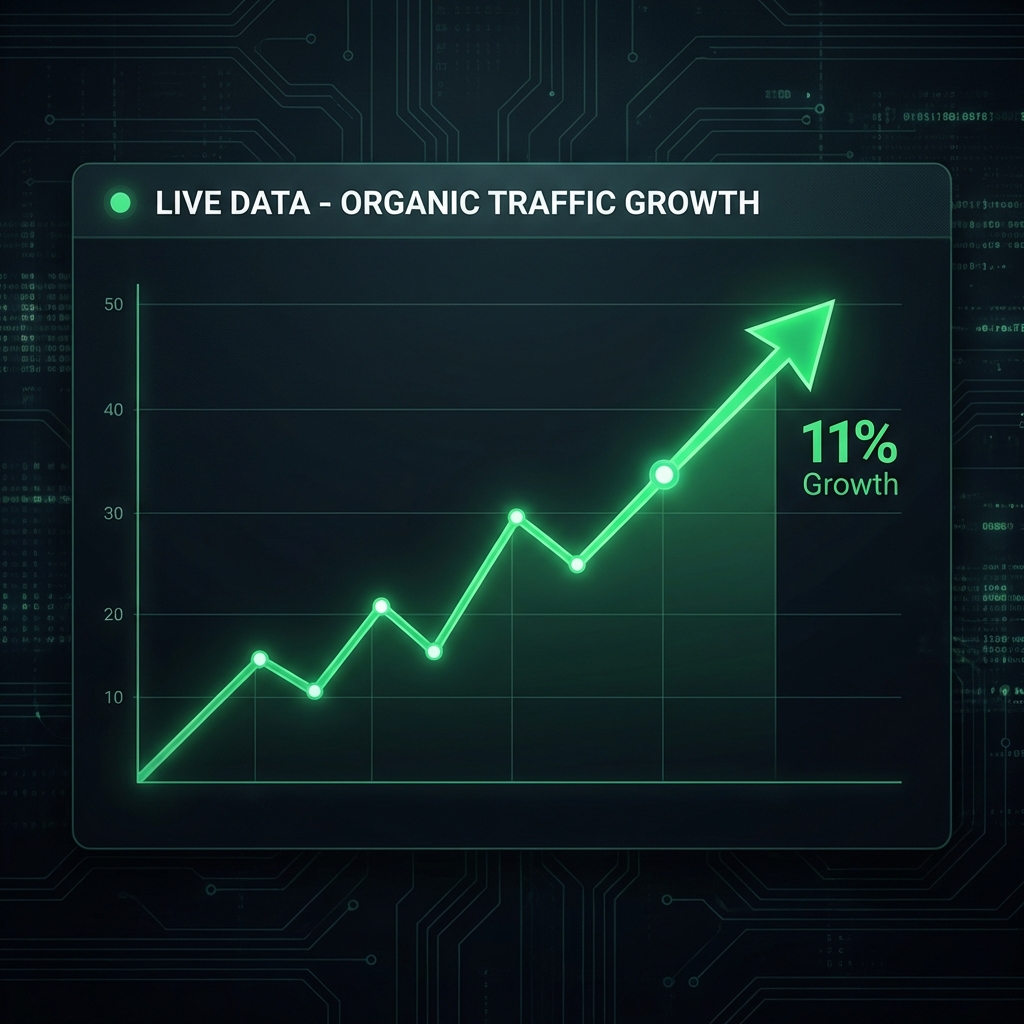
In the dynamic world of classifieds and job boards, traffic fluctuations are often attributed to seasonal trends or marketing spend. However, over the past six months, we've observed a consistent 11% increase in organic traffic to our job listings.
This growth
Published January 9, 2026
~2 min read
645 words
Like it ? share it
In the dynamic world of classifieds and job boards, traffic fluctuations are often attributed to seasonal trends or marketing spend. However, over the past six months, we've observed a consistent 11% increase in organic traffic to our job listings.
This growth didn't come from a massive ad campaign or a viral social media post. It came from a single, technical modification: the implementation of Job Posting Schema.
Interestingly, this technical win coincides with a broader economic narrative. As the economy cools and hiring slows down, one might expect traffic to dip. Instead, we're seeing the opposite. Here is why the "Job Search Paradox" is happening and how structured data helped us capture the surging demand.
The Economic Context: Why "Job Search" is Trending Up
It’s no secret that the global economic outlook for 2024 and 2025 has been mixed. With a cooling labor market, hiring has slowed across many sectors.
Higher Competition: As companies tighten belts, fewer roles are available, leading to increased competition for every open position.
Longer Searches: Data suggests the average duration of unemployment is ticking up, meaning candidates are spending more time searching and are active on more platforms.
Job Security Concerns: even employed individuals are "window shopping" more frequently, hedging against potential instability.
This creates a high-volume, high-intent search environment. People aren't just browsing; they are hunting. In this crowded digital landscape, visibility is everything. This is where Schema comes in.
What is Job Posting Schema?
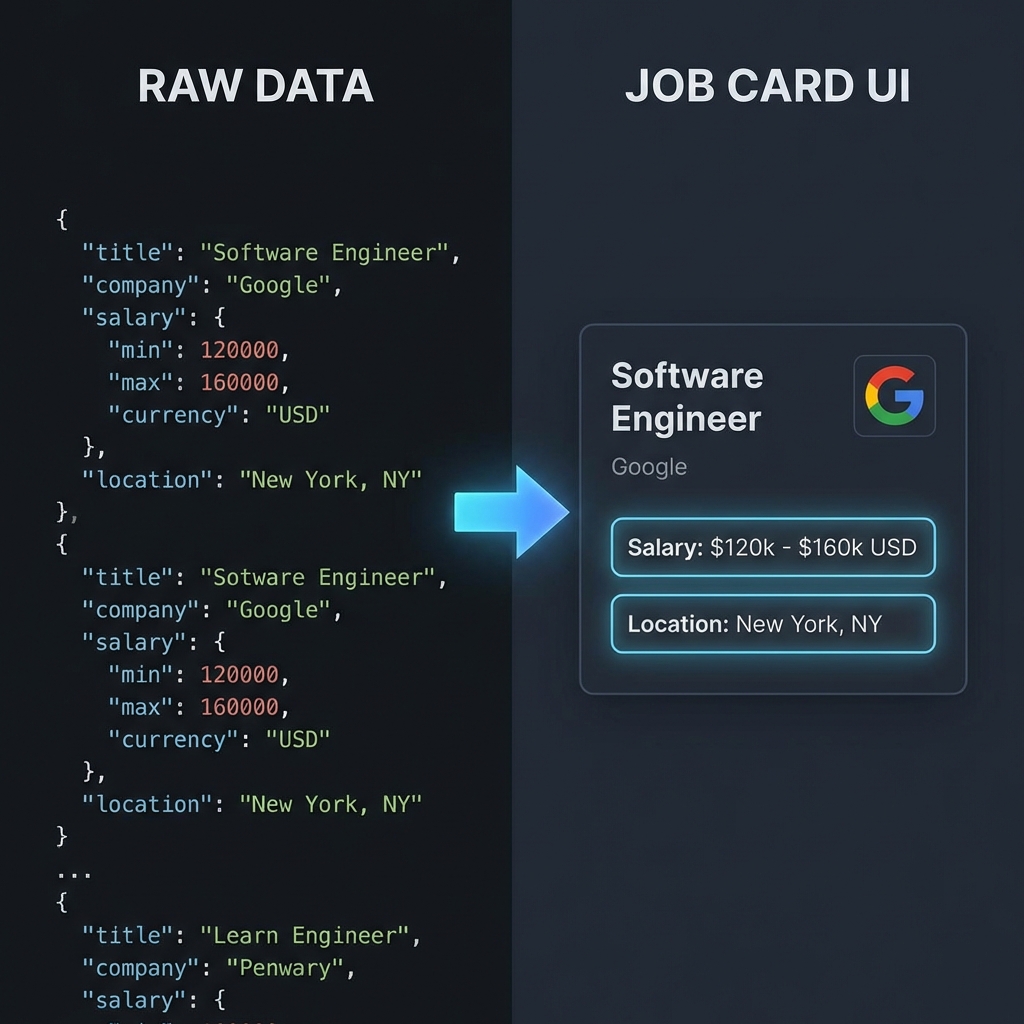
Job Posting Schema is a form of structured data (JSON-LD) that helps search engines like Google understand the specific details of a job listing—title, salary, location, employment type, and more.
Instead of seeing a generic web page
, Google sees:
"title": "Software Engineer"
"baseSalary": "120000"
"jobLocation": "Remote"
This allows Google to display your listings in the dedicated "Google for Jobs" experience—a rich, interactive widget that appears at the top of search results.
Our Results: +11% Traffic in 6 Months
Six months ago, we rolled out a comprehensive update to our job detail pages, ensuring every listing included valid JobPosting schema.
The impact was measurable and significant:
Direct Traffic Uplift: We achieved an 11% increase in overall traffic to job-related pages.
Higher Click-Through Rates (CTR): Because our listings now display key info like salary and location directly in the SERPs (Search Engine Results Pages), they attract more qualified clicks.
Industry Validation
We aren't outliers. The SEO industry has consistently seen massive gains from this implementation:
ZipRecruiter reported a 3x conversion rate and a 35% increase in organic traffic after adopting schema.
Monster India saw a staggering 94% increase in organic traffic.
Why It Works Especially Well Now
The synergy between the economic climate and this technical implementation is crucial.
In a "buyers market" for employers, candidates are overwhelmed with noise. They are scrolling through thousands of vague listings. By using Schema, our listings stand out visually on Google. We provide the answers they are frantically searching for—Salary? Remote? Full-time?—before they even click.
By reducing friction for the desperate job seeker, we win the click.
How to Implement It
For developers running classifieds or job boards, the implementation is straightforward. You inject a JSON-LD script block into the <head> of your job pages:
The 11% growth we’ve seen is a testament to the power of technical SEO meeting user needs. In an economy where job seekers are anxious and active, providing clear, structured, and accessible data isn't just a "nice to have"—it's a competitive advantage.
If you are running a classifieds platform and haven't implemented Job Posting Schema yet, you are likely leaving free traffic on the table.